






“Makes a joyful noise all its own.”
Susan Larson, NOLA.com | New Orleans Advocate

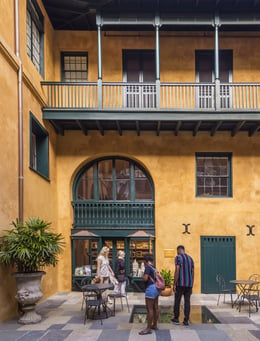
Enjoy free admission every day. Visit the museum, shop, and café, or resesarch our collections at the Williams Research Center.
Explore the world of the legendary New Orleans artist and his iconic characters, Vic and Nat’ly. On view until May 9, 2027.
On October 10, explore how film, music, video games, and media continually reshape our modern understanding of revolutionary ideas, hosted in conjunction with American Revolution: The Augmented Exhibition.
Dive into the Collection’s holdings with image-rich previews of treasures from New Orleans history.
On October 17, educators are invited to a free workshop, hosted in conjunction with American Revolution: The Augmented Exhibition, to help deepen student understanding of the American Revolution in Louisiana.
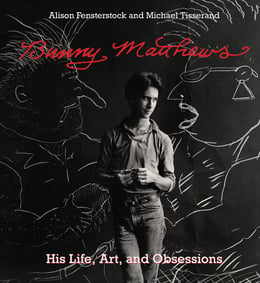
The bold personality of New Orleans’s legendary cartoonist and writer springs from the page in this first monograph of his work by Alison Fensterstock and Michael Tisserand.
On October 29, join us in celebrating six decades of preserving, collecting, and making history. Save the date for music, memories, and more at what is sure to be a fantastic night out in the French Quarter.

by Judy Cooper
A groundbreaking survey showcasing one of New Orleans’s most distinctive traditions, combining archival photography with the work of 10 contemporary second line photographers
HNOC 2021
hardcover • 8.25" × 11.5" • 326 pp.
317 color images • 19 b&w images
ISBN 978-0-917860-82-9
$49.95
The “greatest real-life free show on earth.” “Church for dancers.” “Four hours of therapy.” These are but a few ways people have described the unmistakable spectacle and energy of second line parades. Put on by New Orleans’s network of social aid and pleasure clubs, the parades have become part of the lifeblood of the city, providing a physical and symbolic gathering place for Black history and expression.
A companion publication to the 2021 HNOC exhibition of same name, Dancing in the Streets combines archival photography with the work of 10 contemporary second line photographers to present a comprehensive survey of every social aid and pleasure club on the scene today. Essays explore the evolution of the parades from their roots in post–Civil War Black mutual aid societies; their ties to Black performance practices in Congo Square; the artistry and style of the clubs’ suits and regalia; and the brass bands and dance forms that bring the parades to life.
An epilogue presents club leaders in conversation about the effects of the COVID-19 pandemic on the social aid and pleasure club community. This timely addition works in concert with the historical material and images to depict a powerful tradition forged from hardship and creativity, one that shows no sign of stopping.
“Makes a joyful noise all its own.”
Susan Larson, NOLA.com | New Orleans Advocate
Learn about the social and pleasure clubs of New Orleans through interviews with more than 30 club founders, presidents, and members.
From the beginning, Jazz Fest sought to showcase culture bearers like Mardi Gras Indians and Black parading clubs alongside musicians.
A club member, a lawyer, and photographers share the rules of engagement for capturing the action of New Orleans street parades.
New Orleans’s “ambassador to the second line” leaves a lasting legacy.
We talked to HNOC Visitor Services Assistant Douane Waples about what it’s like to play in a New Orleans brass band.
Dancing in the Streets brings together historical photography tracing the history of the tradition, interviews with longtime members, and contemporary images depicting the beauty and power of second line parades.
Subscribe to Our Newsletter


